Traveling the world is a dream for many people, but the cost of flights, accommodation, and activities can often make it seem out of reach. The good news is that exploring new destinations does not always require a large budget. With the right planning and smart travel strategies, it is possible to enjoy amazing experiences while keeping expenses under control.
Budget travel is all about making smart choices, finding deals, and prioritizing experiences that offer great value. Here are some practical tips that can help you explore the world without overspending.
Plan Your Trip in Advance
One of the best ways to save money on travel is to plan ahead. Booking flights and accommodations early often allows travelers to take advantage of lower prices and special discounts.
Airline ticket prices usually increase as the departure date approaches, so securing tickets several weeks or months in advance can result in significant savings. Planning early also gives you time to compare prices, research destinations, and find the best travel deals.
In addition, creating a travel budget before the trip helps you manage your expenses and avoid unexpected financial stress.
Travel During the Off-Season
Traveling during the off-season is another excellent way to reduce travel costs. Popular tourist destinations often have higher prices during peak seasons due to high demand.
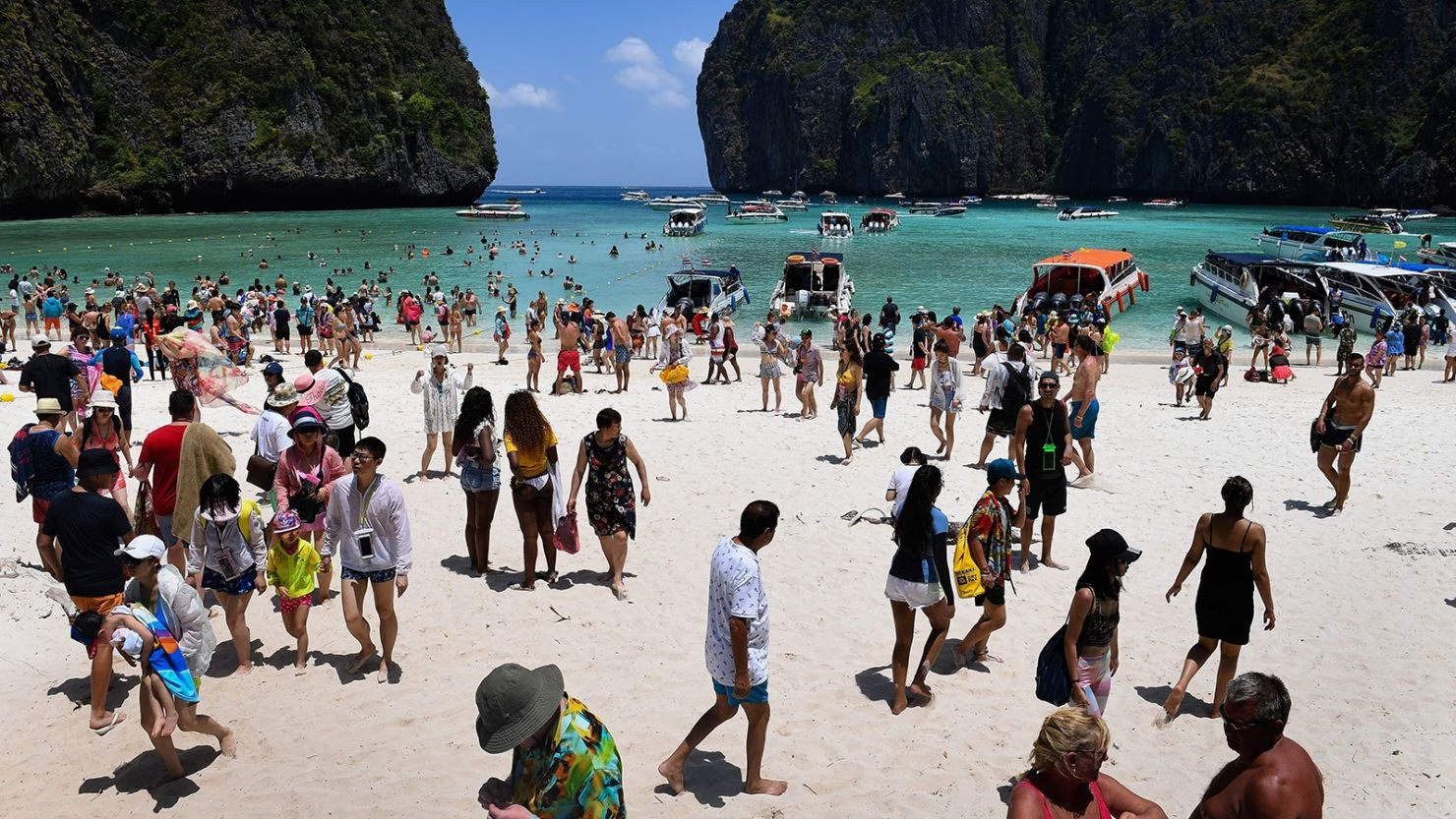
By choosing to travel during quieter months, you can find cheaper flights, lower hotel rates, and fewer crowds at major attractions. This not only saves money but also allows for a more relaxed and enjoyable travel experience.
Off-season travel can also offer a more authentic view of local culture, as destinations are less crowded with tourists.
Be Flexible With Travel Dates
Flexibility can make a big difference when it comes to finding affordable travel options. Flight prices can vary significantly depending on the day of the week, time of year, and even time of day.
Travelers who are flexible with their departure and return dates often find better deals on flights and accommodations. Midweek flights are often cheaper than weekend flights, and early morning or late-night departures can sometimes offer lower fares.
Using fare comparison tools can also help identify the most budget-friendly travel dates.
Choose Budget-Friendly Accommodation
Accommodation is one of the biggest travel expenses, but there are many affordable options available for budget travelers.
Hostels, guesthouses, and budget hotels often offer comfortable stays at lower cost than luxury hotels. Vacation rentals or shared accommodations can also help reduce expenses, especially for longer trips.
Some travelers even choose house-sitting opportunities or home exchanges to stay in different cities without paying high accommodation fees.
Selecting accommodations slightly outside major tourist areas can also help reduce costs while still offering convenient access to attractions.
Use Public Transportation
Transportation costs can quickly add up when traveling. Instead of relying on taxis or rental cars, using public transportation can save a significant amount of money.
Buses, trains, and local metro systems are usually much more affordable and allow travelers to experience daily life like a local. Many cities also offer transportation passes for tourists that provide unlimited rides at a fixed price.
Walking or renting a bicycle is another budget-friendly way to explore a destination while enjoying its surroundings.
Eat Like a Local
Food is an important part of the travel experience, but dining at tourist-focused restaurants can be expensive. One of the best budget travel tips is to eat where the locals eat.
Street food, local markets, and small family-run restaurants often serve authentic and delicious meals at much lower prices than tourist hotspots. Visiting grocery stores and preparing simple meals can also help travelers reduce food expenses during longer trips.
Trying local cuisine in affordable places not only saves money but also provides a more authentic cultural experience.
Look for Free Activities and Attractions
Many destinations offer a wide range of free or low-cost attractions. Museums, parks, historical sites, and cultural festivals often have free entry days or discounted tickets.
Walking tours, public beaches, scenic viewpoints, and local markets can provide memorable experiences without requiring a large budget. Researching free activities before your trip can help you build an exciting itinerary while keeping expenses low.
Exploring nature, hiking trails, and public landmarks can be just as rewarding as visiting expensive tourist attractions.
Conclusion
Traveling the world does not have to be expensive. With careful planning, flexibility, and smart spending choices, anyone can explore new destinations while staying within a reasonable budget.
By booking early, traveling during the off-season, choosing affordable accommodations, and enjoying local experiences, travelers can make the most of their journeys without overspending. Budget travel is not about limiting experiences—it is about discovering creative ways to enjoy the world while managing expenses wisely.