Communication has always been a fundamental part of human life. From face-to-face conversations to letters, phone calls, and emails, the way people interact has continuously evolved with technology. In recent years, social media has transformed communication more dramatically than any previous innovation. Platforms that allow instant sharing of thoughts, images, and videos have reshaped how people connect, exchange information, and build relationships.
Today, social media is not just a tool for entertainment—it has become a major part of daily communication worldwide.
The Rise of Instant Communication
One of the most significant changes brought by social media is the speed of communication. Messages, photos, and videos can be shared instantly with people across the globe. What once took days or weeks through letters can now happen within seconds.
Social media platforms allow users to send direct messages, comment on posts, and interact in real time. This instant communication helps people stay connected with friends, family, colleagues, and communities regardless of distance.
The convenience and accessibility of these platforms have made communication faster and more dynamic than ever before.
Expanding Global Connections
Social media has made it possible for individuals to connect with people from different countries, cultures, and backgrounds. Previously, communication was often limited to local communities or personal networks.
Now, someone can share ideas with thousands—or even millions—of people worldwide. Social media platforms enable global conversations on topics such as education, technology, entertainment, and social issues.
These global connections allow people to learn about different perspectives, cultures, and experiences, promoting greater awareness and understanding across borders.
Visual Communication Is Growing
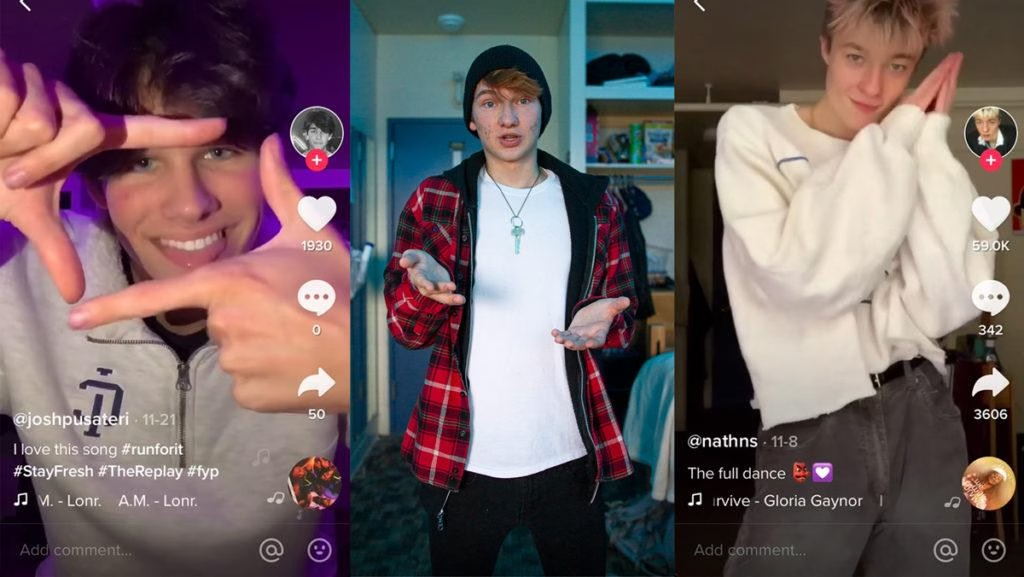
Another major shift in communication is the rise of visual content. Photos, videos, emojis, and short clips have become powerful tools for expressing ideas and emotions.
Visual communication often conveys messages faster and more effectively than text alone. A short video or image can capture attention and communicate complex ideas quickly.
Social media has encouraged people to use visuals as a primary form of communication, making interactions more engaging and creative.
Social Media and Personal Expression
Social media has provided individuals with a platform to express their thoughts, opinions, and creativity. People can share personal stories, achievements, experiences, and viewpoints with their followers.
This level of expression was not easily possible in the past. Social media has allowed individuals to build personal identities online and connect with others who share similar interests.
Blogging, live streaming, and content creation have become common ways for people to communicate and influence audiences.
Changing Business and Professional Communication
Businesses and organizations have also embraced social media as a key communication tool. Companies use social media platforms to interact directly with customers, respond to feedback, and share updates about products or services.
Customer service has become more accessible, as businesses can respond to inquiries or complaints quickly through social media channels. Marketing strategies have also evolved, with brands using social media to engage with audiences through posts, videos, and campaigns.
Professionals now use social media platforms to network, share knowledge, and build their professional presence online.
Impact on Relationships
Social media has significantly changed how relationships are formed and maintained. People can stay in touch with friends and family members who live far away, making long-distance communication easier.
Online communication allows individuals to reconnect with old friends, join communities based on shared interests, and maintain relationships through regular updates and messages.
However, while social media can strengthen connections, it can also create challenges. Some people may rely too heavily on online interactions, which can sometimes reduce the depth of face-to-face communication.
Balancing digital communication with real-life interactions is important for maintaining healthy relationships.
The Influence of Social Media on Public Conversations
Social media has also changed how public discussions take place. News, opinions, and social movements can spread quickly through online platforms. People can participate in discussions about current events and share their perspectives instantly.
Social media has given individuals a stronger voice in public conversations. Important social issues, community initiatives, and global events often gain attention through online discussions.
This ability to amplify voices has made social media a powerful tool for awareness and collective action.
Challenges of Social Media Communication
Despite its many benefits, social media communication also presents certain challenges. Miscommunication can occur easily in online conversations because tone and context may be misunderstood.
In addition, the rapid spread of information can sometimes lead to the spread of misinformation. Users must be cautious about verifying information before sharing it with others.
Another challenge is the pressure to maintain an online presence, which can affect mental well-being for some individuals.
Being mindful about how social media is used can help reduce these challenges and promote healthier communication.
The Future of Communication
As technology continues to evolve, social media will likely play an even larger role in communication. New features, advanced technology, and digital innovations will continue to shape how people interact.
Virtual reality, artificial intelligence, and immersive digital experiences may further transform communication in the future. However, the core purpose will remain the same: connecting people and sharing ideas.
Conclusion
Social media has fundamentally changed the way people communicate. It has made communication faster, more visual, and more accessible worldwide. Individuals, businesses, and communities now rely on social media to share information, express ideas, and maintain relationships.
While digital communication has its challenges, the benefits of global connectivity and instant interaction are undeniable. By using social media responsibly and maintaining a balance between online and offline communication, individuals can make the most of this powerful tool in today’s connected world.